What we work on
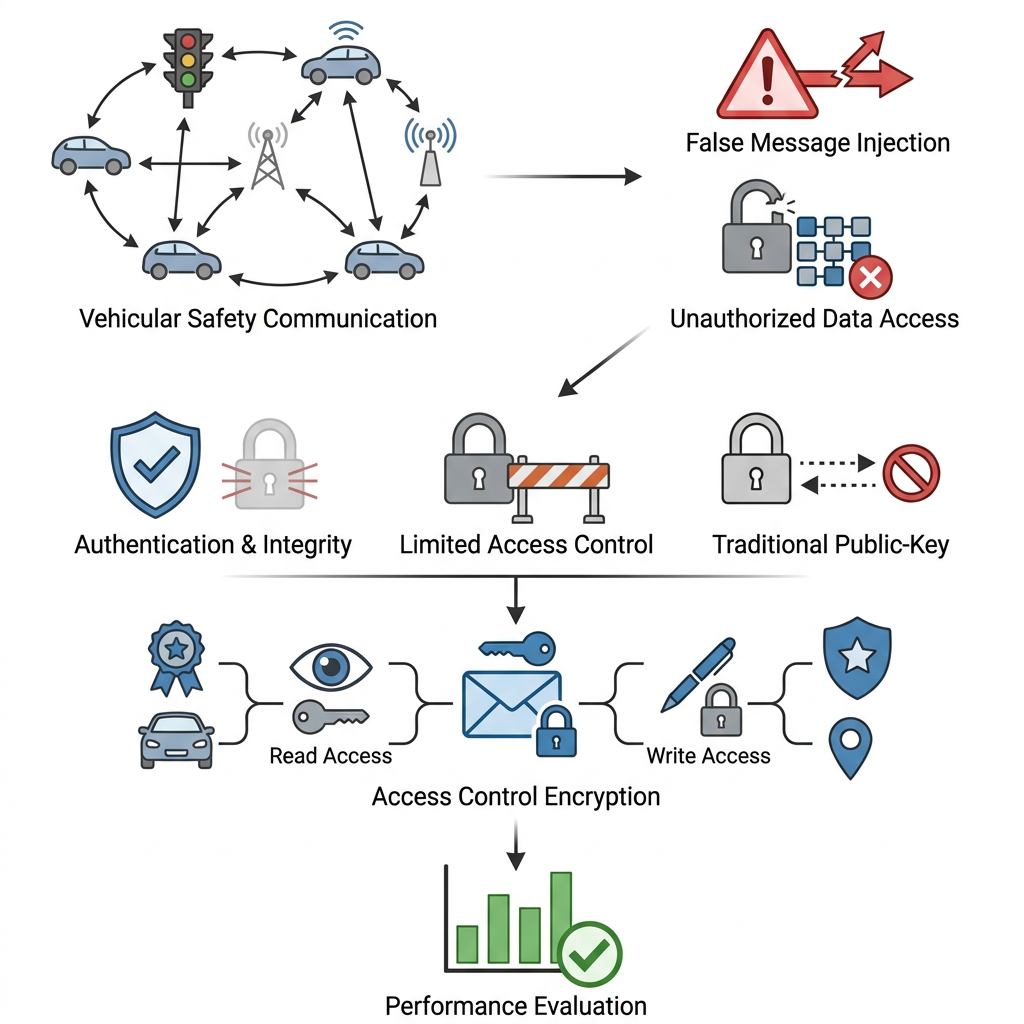
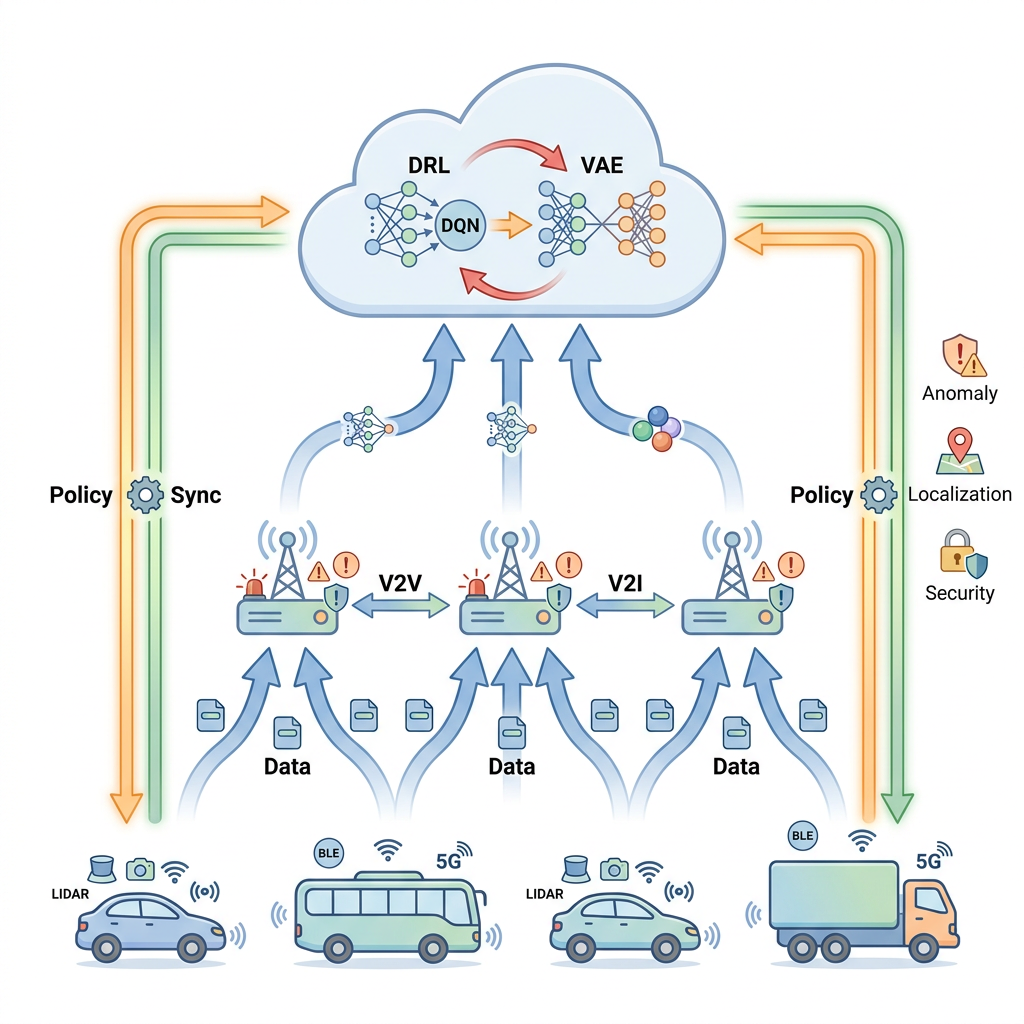
Modern vehicles are computers on wheels. They talk to phones, to each other, to pedestrian devices, and to roadside infrastructure. Every one of those channels needs a way to establish trust, and the existing methods (cellular PKI, manual Bluetooth pairing, pre-shared certificates) either don’t scale to shared mobility or fail when the network drops.
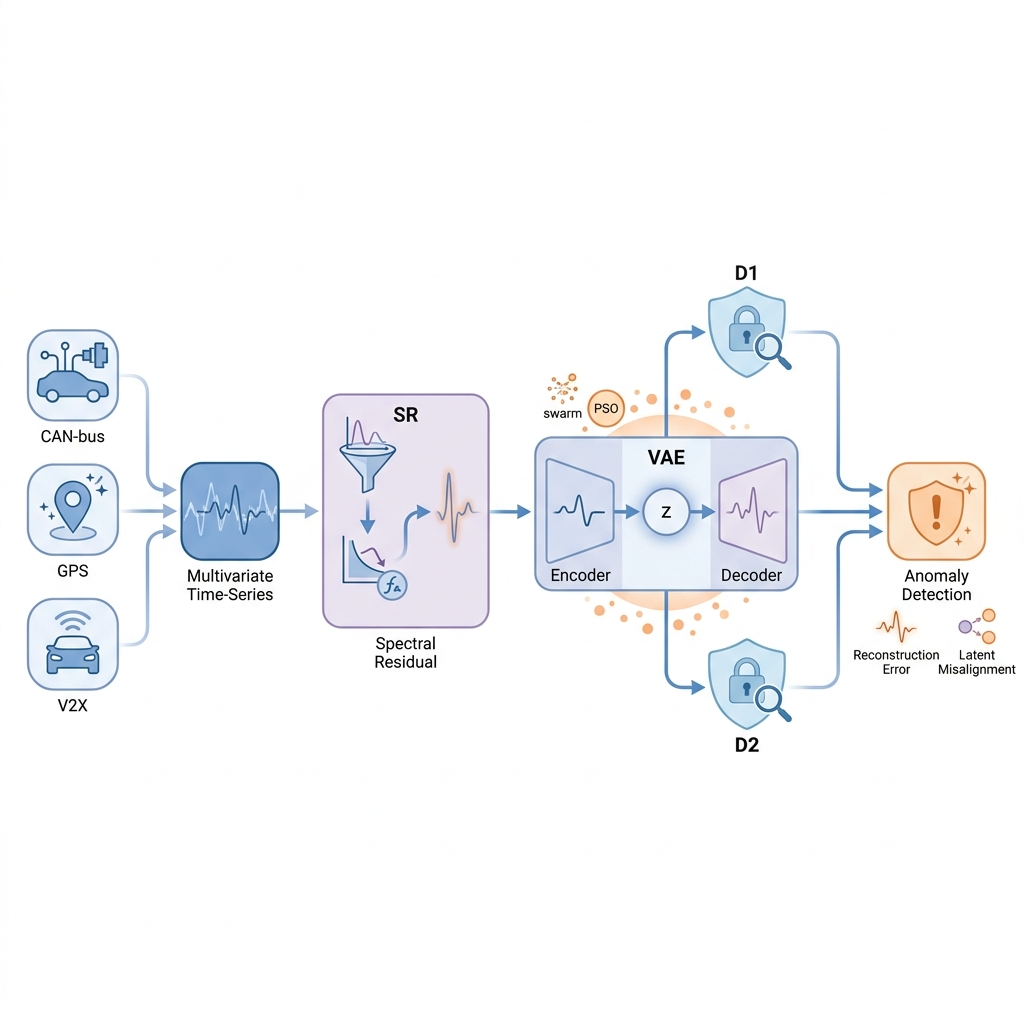
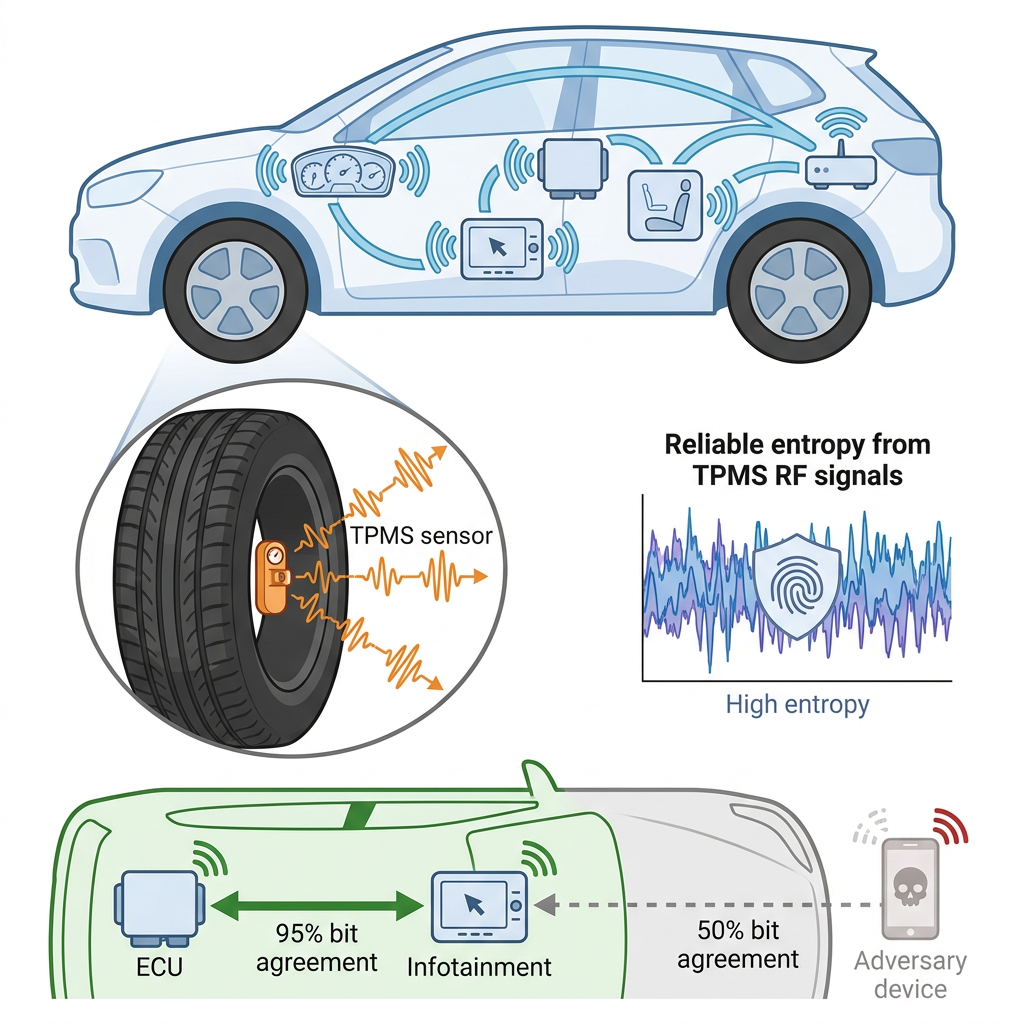
The lab builds lightweight, sensor-grounded trust for V2X. We exploit signals that are physically bound to the vehicle (tire-pressure-monitor RF, cabin vibration, GPS + visual fusion) so that legitimate co-located parties can authenticate each other in seconds, with no infrastructure or user effort, while remote attackers cannot.
Selected systems
- TPKEY, zero-involvement intra-vehicle authentication using TPMS RF transmissions.
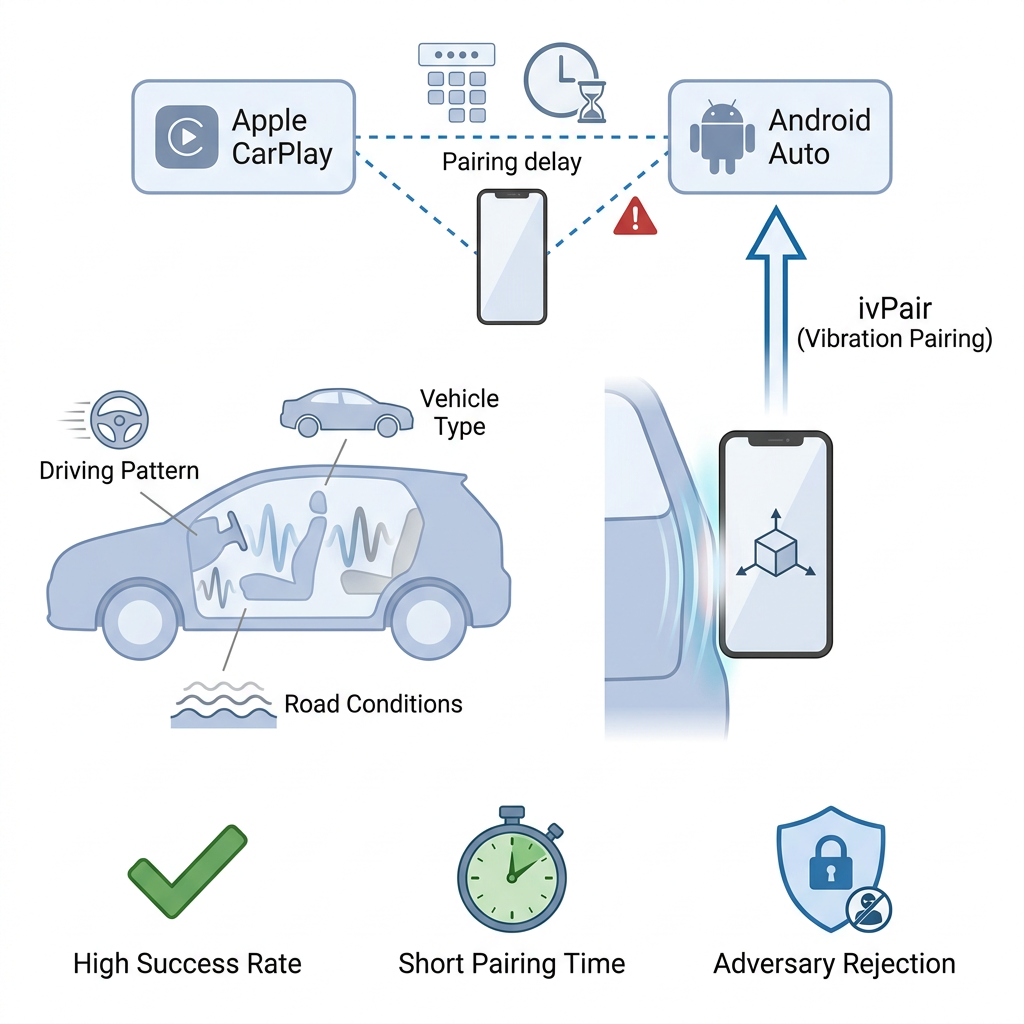
- ivPair, pin-equivalent pairing extracted from a vehicle’s vibration response under real driving.
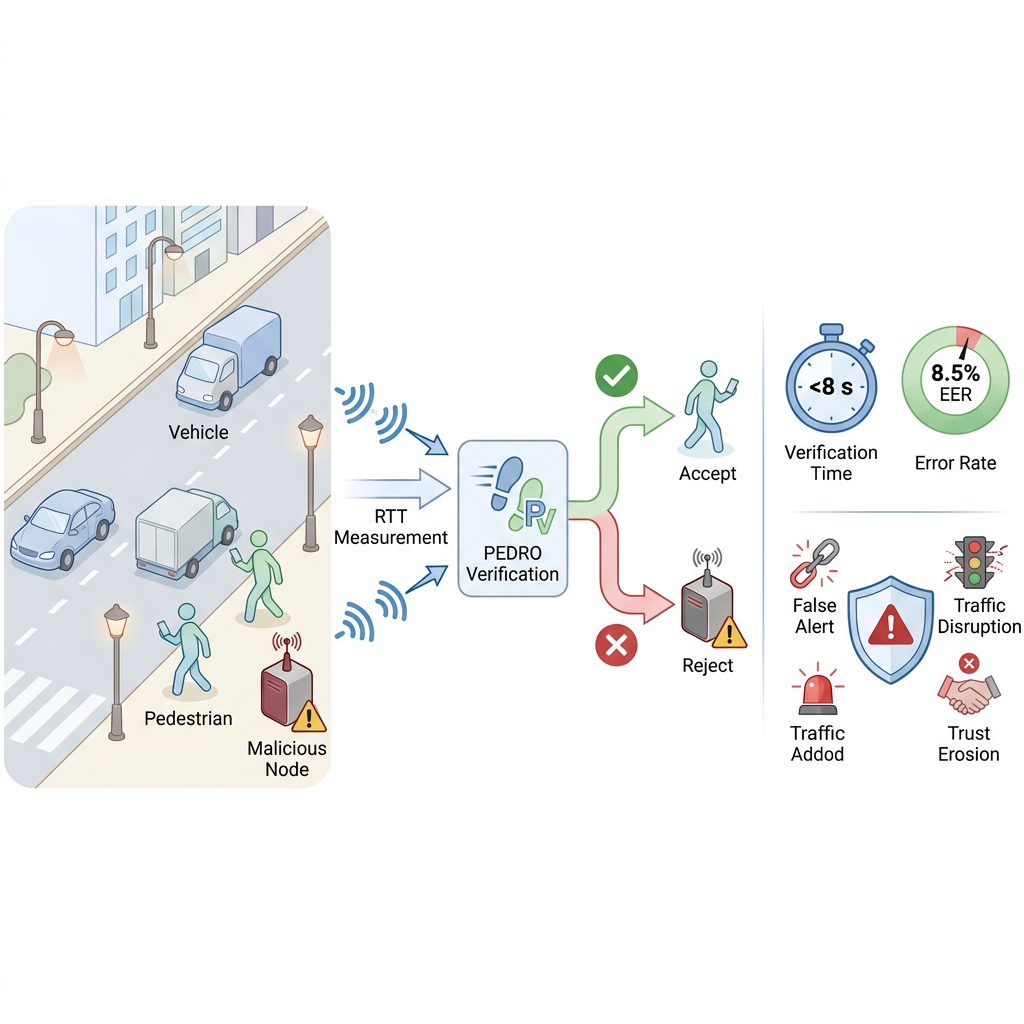
- PEDRO, V2P pedestrian-mobility verification that admits real, moving pedestrians and rejects stationary remote attackers.
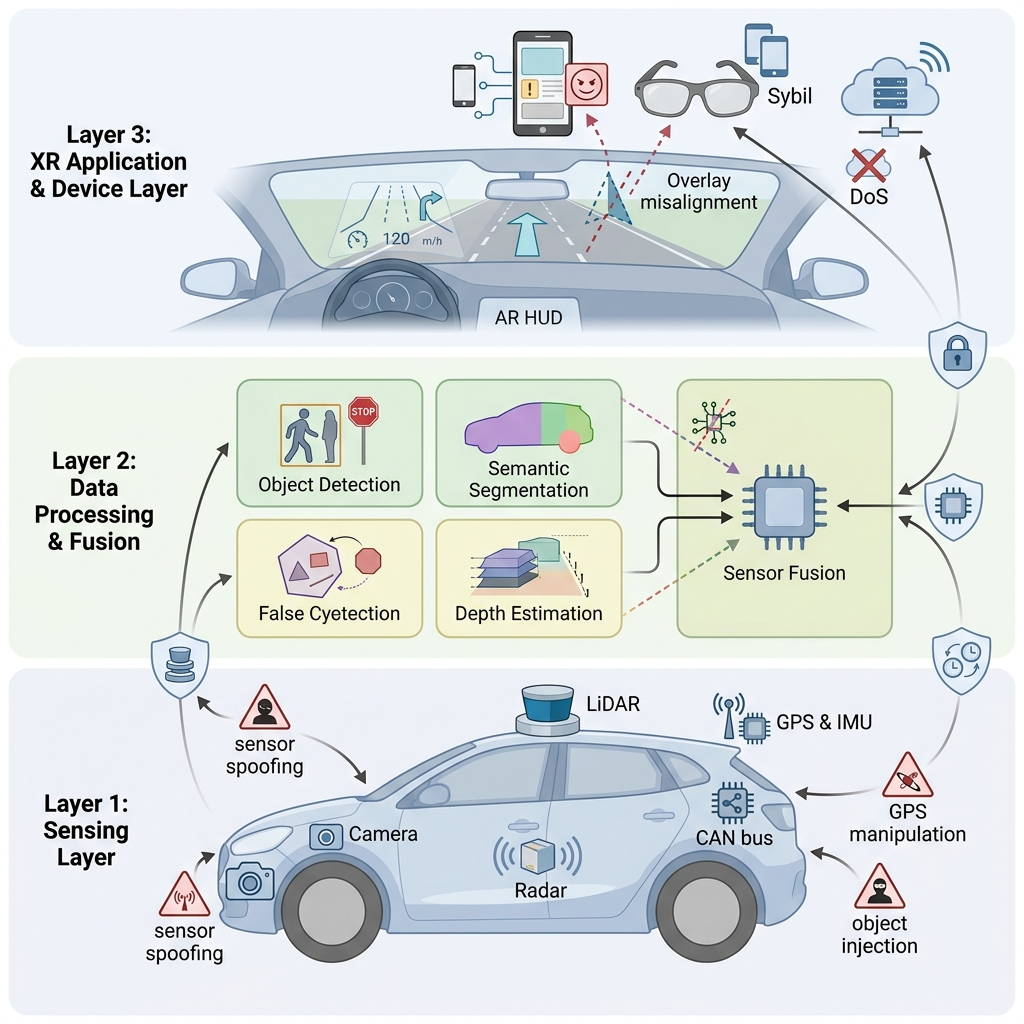
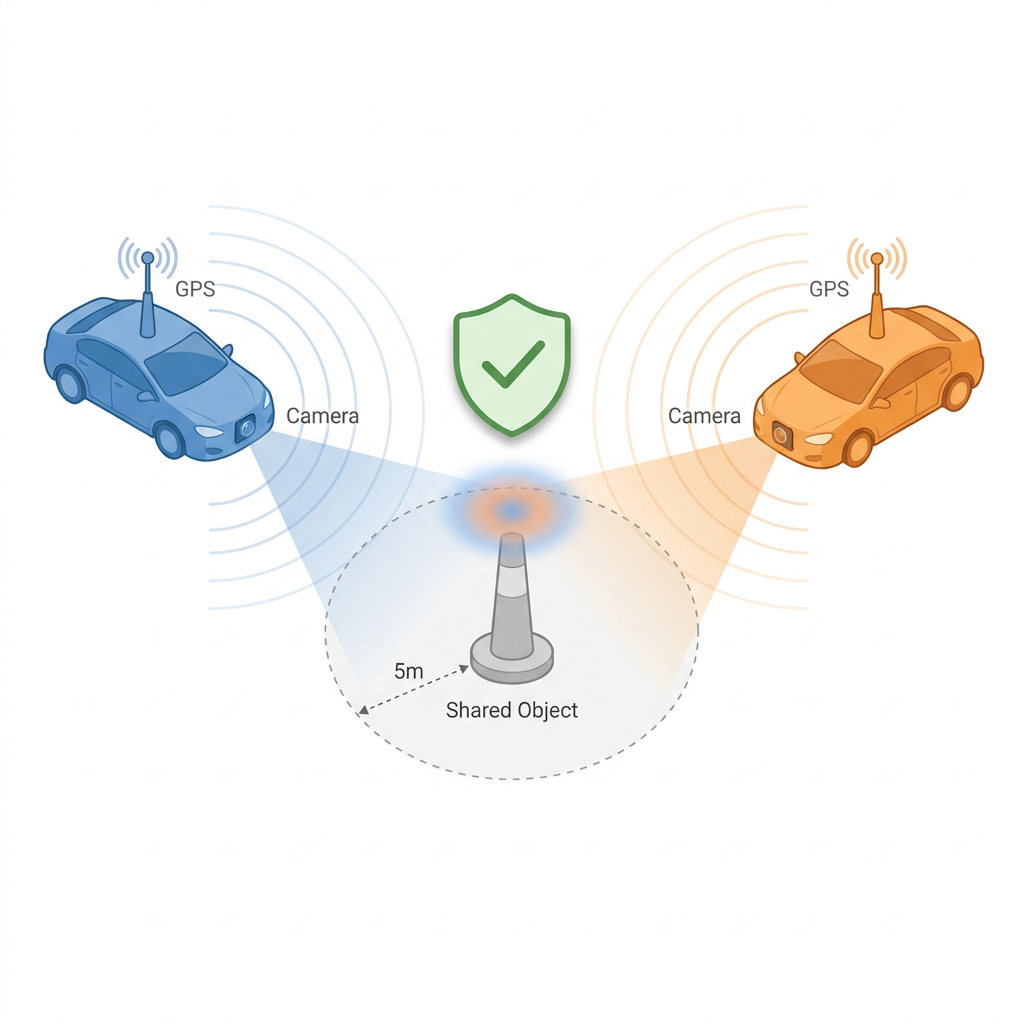
- V2V trust via sensor fusion, combining GPS and visual data so two AVs can verify physical co-location without infrastructure.